Harm Reduction
Harm Reduction Services
The EDGE New Jersey Harm Reduction Program provides free, confidential, non-judgmental services to minimize risk and promote public health. A core component of our work involves distributing free Safer Use Kits, which include essential tools and supplies for various routes of administration, such as Smoking, Sniffing, Boofing, and Injection kits, enabling individuals to use substances with reduced health consequences. In addition, we have needle options for those seeking support in hormone therapy. Our dedicated Harm Reduction team actively engages with the community through outreach, connecting directly with those in need to distribute these materials and provide vital education.
We’re out in the community, come see where we’ll be!
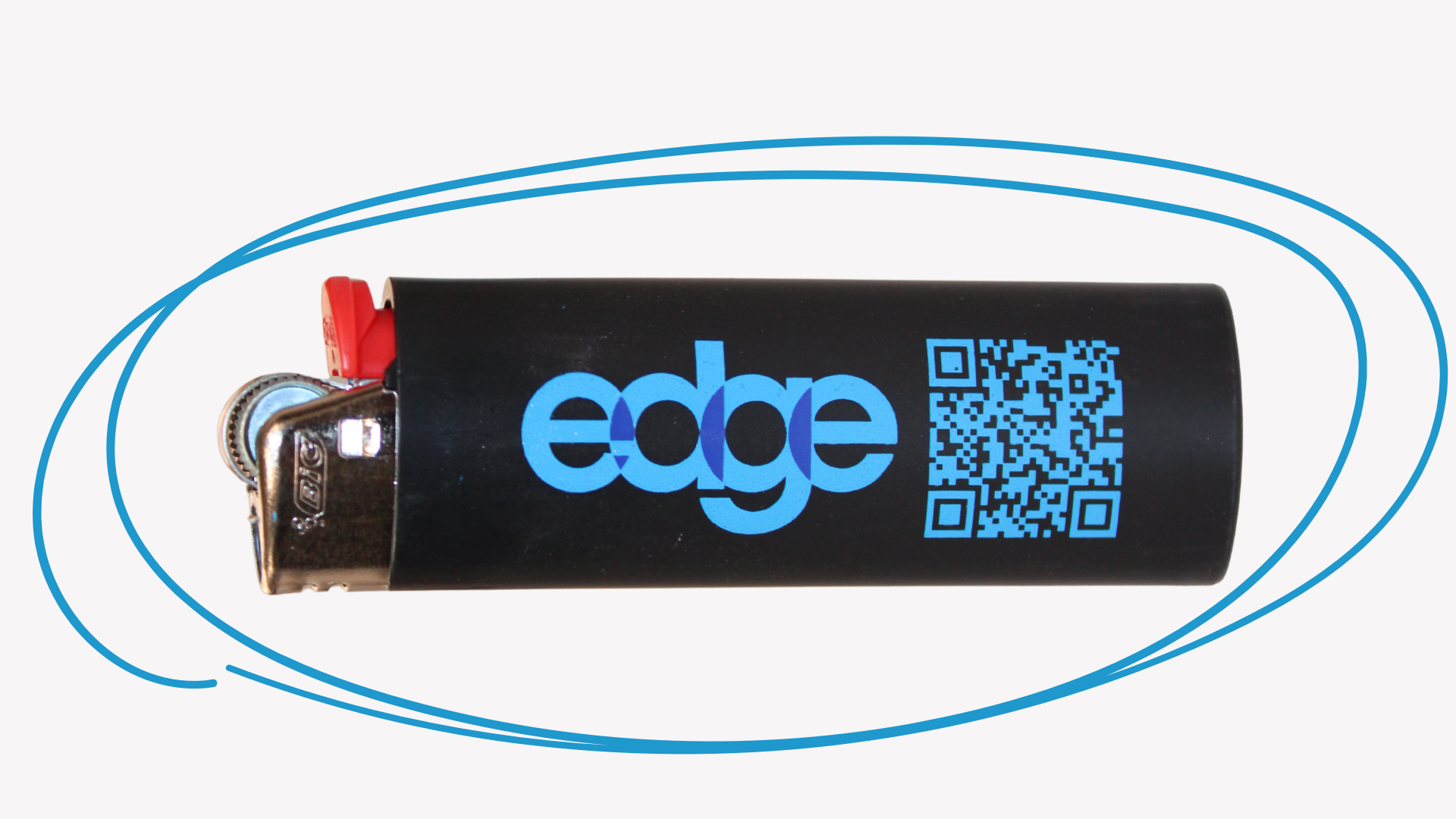
Get a FREE lighter during your visit!
What is harm reduction?
Harm reduction recognizes that change is a process, not an event.
We provide resources and support that empower individuals to make positive change for themselves, at their own pace, focusing on improving their quality of life rather than demanding abstinence.
It is a commitment to meeting you exactly where you are and helping you move forward from there.
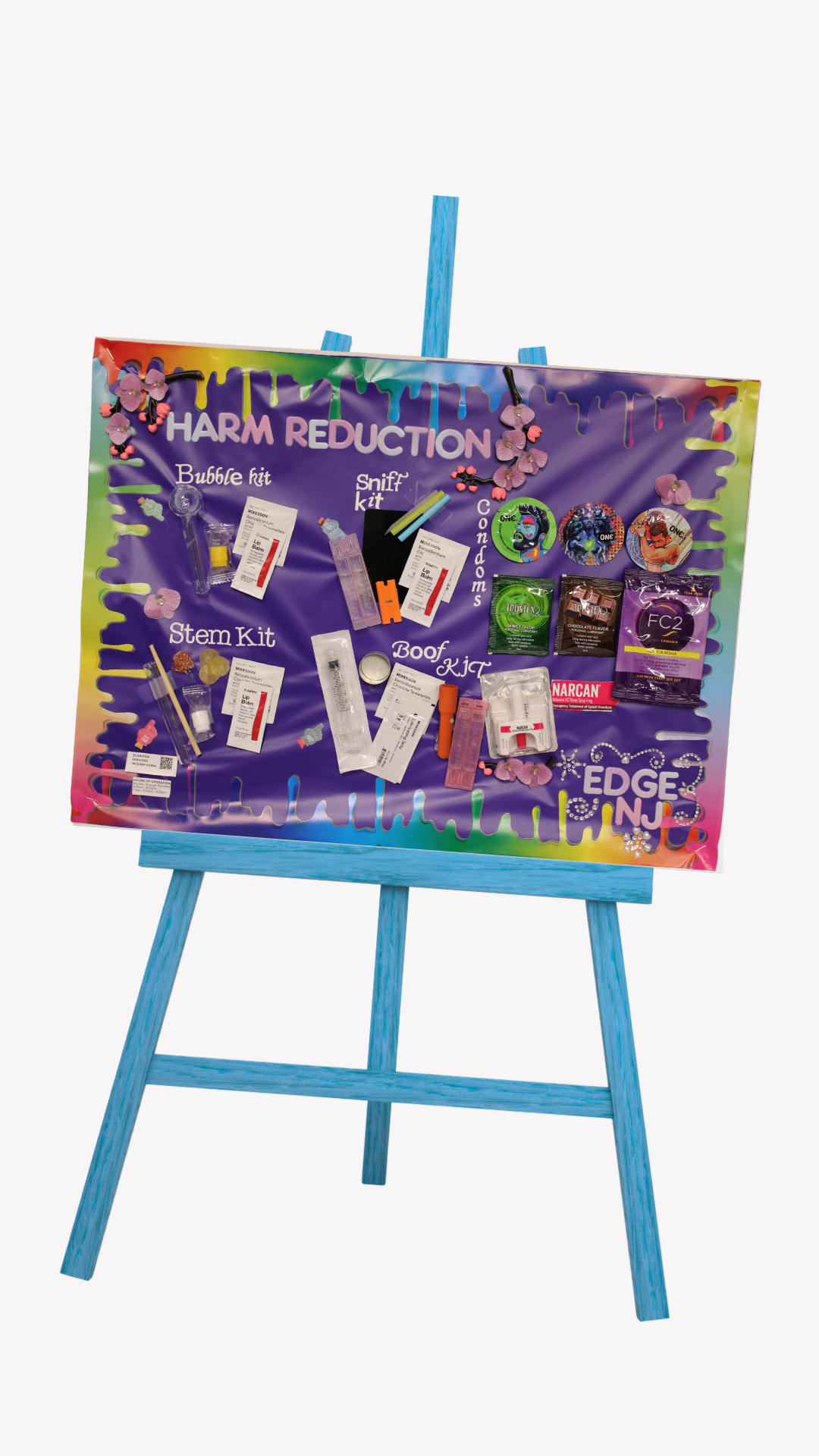
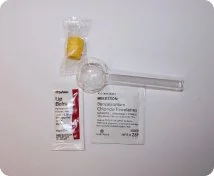
Bubble Kit

Boof Kit
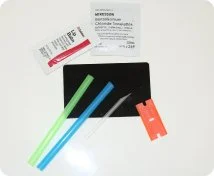
Sniffing Kit

Stem Kit
Our Syringe Access and Disposal Program is a vital public health service that helps prevent the spread of infectious diseases. This program operates on a confidential and non-judgmental basis, allowing individuals to return used syringes and injection equipment for safe, responsible disposal. In exchange, we provide sterile, clean syringes and related supplies. By facilitating the safe collection of used equipment and distributing new supplies, we significantly reduce the risk of accidental needle sticks in the community, decrease the transmission rates of HIV and Hepatitis C, and serve as a crucial point of contact to link participants to other health services, counseling, and treatment options.
Syringe Access and Disposal
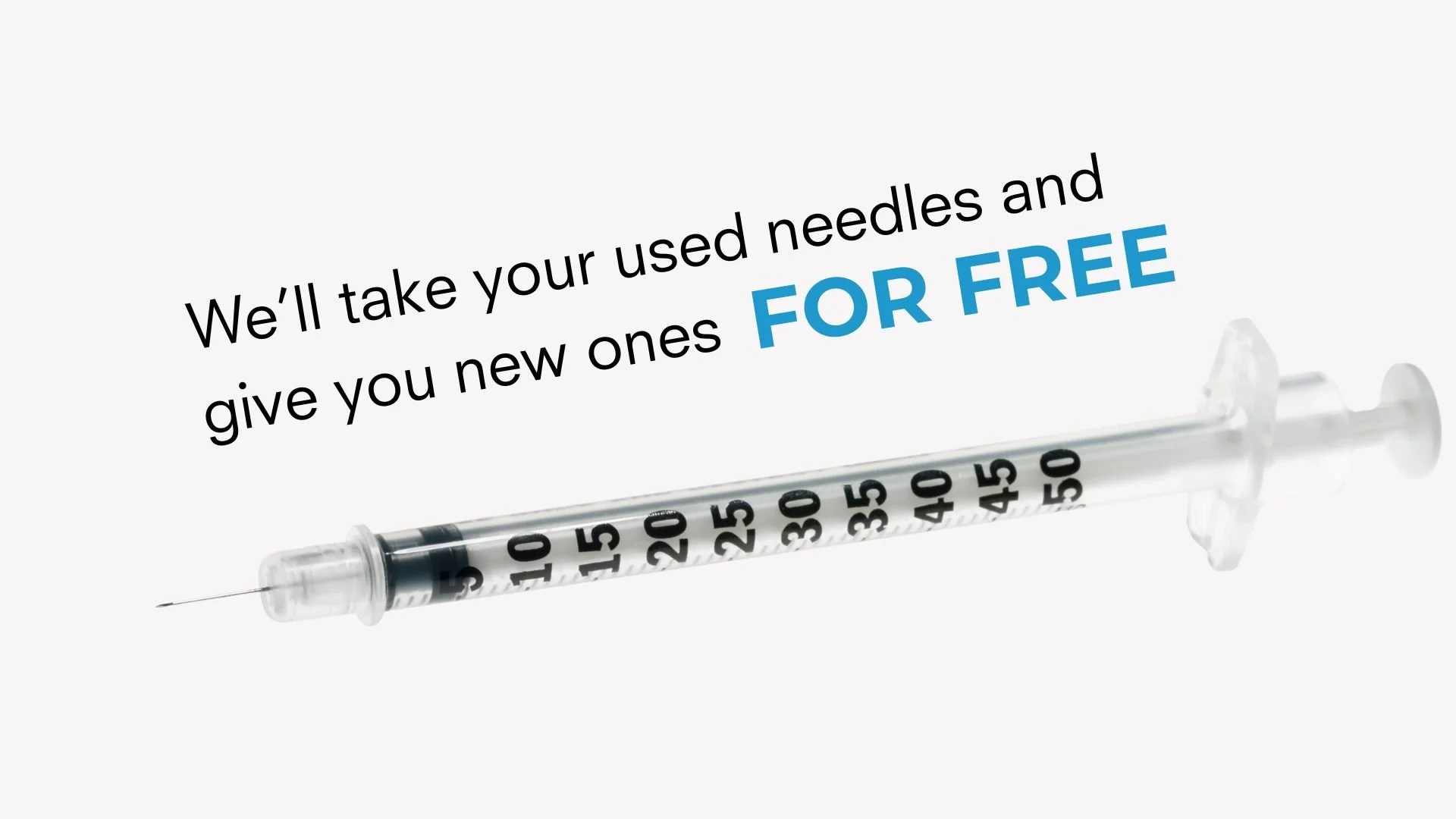
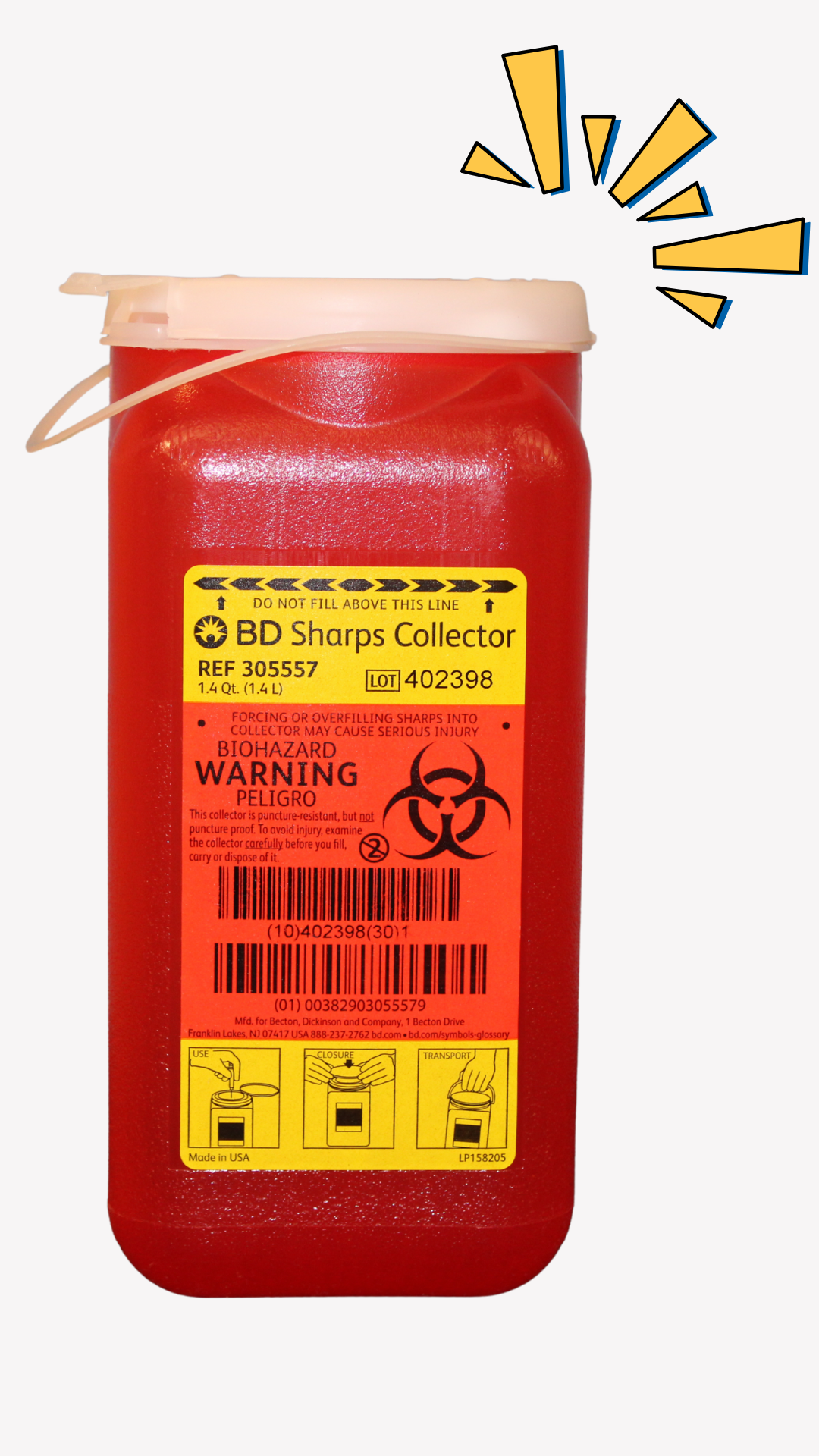
Utilizing our Syringe Access and Disposal program is simple and confidential. You can bring your used syringes to the EDGE NJ center for safe disposal as a walk-in at any time during our operational hours. Our staff will handle the exchange process, provide you with sterile supplies, and answer any questions you may have. No appointment is necessary.
How to access the syringe program?
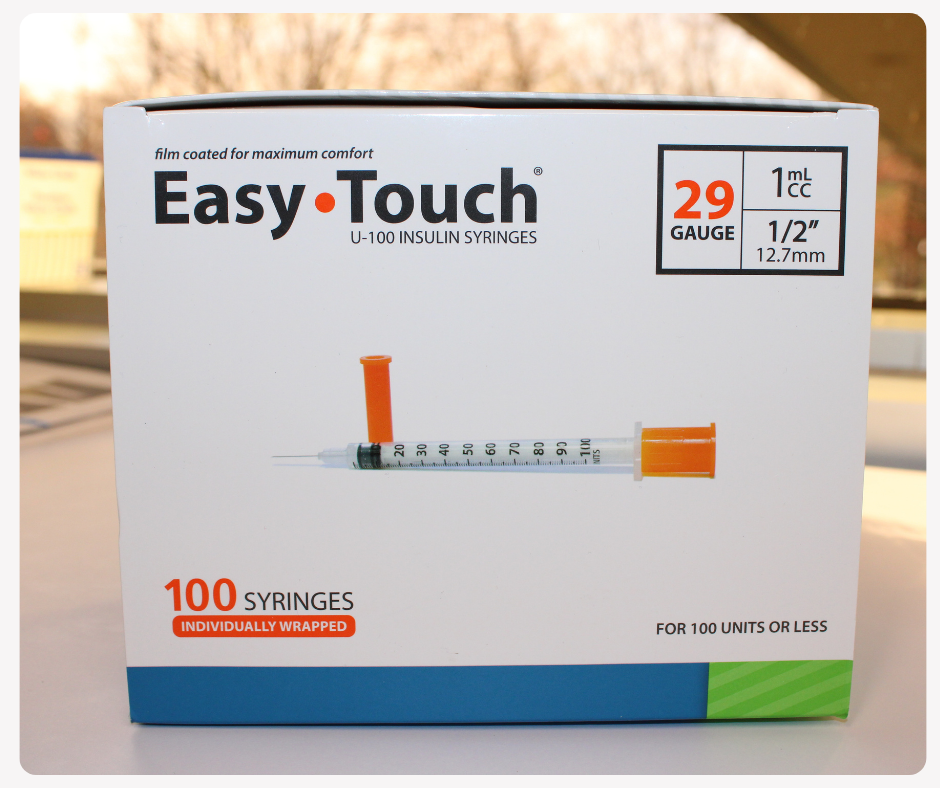
We offer a range of sterile syringes in various gauges and lengths. The gauge number refers to the thickness of the needle: the higher the number, the thinner the needle. For example, a 29G needle is thinner than a 27G needle.
Schedule a visit with a harm reduction specialist to help you select the most appropriate gauge and length for your needs.
Size matters, and we've got you covered!
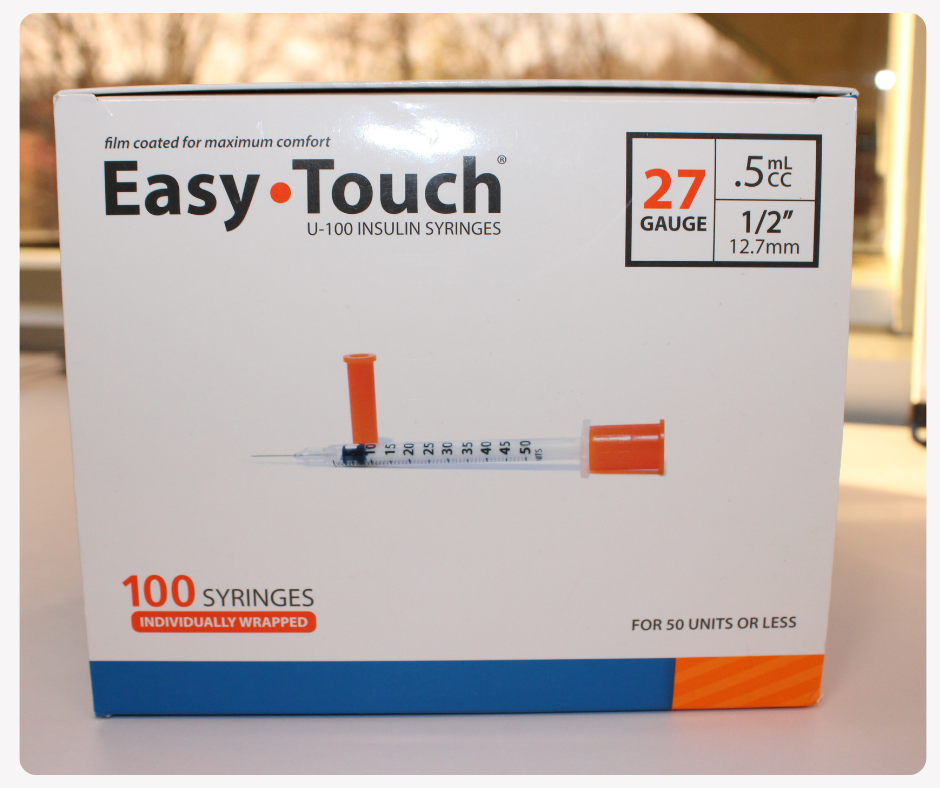
Refer to our inventory gallery below for the typical sizes we carry.
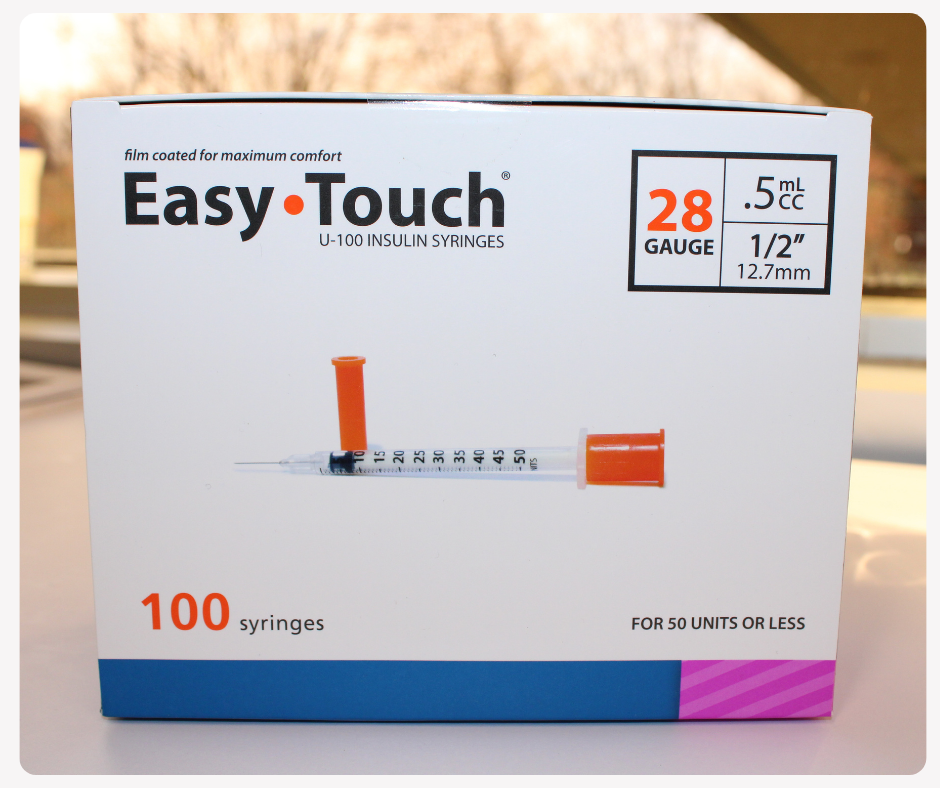
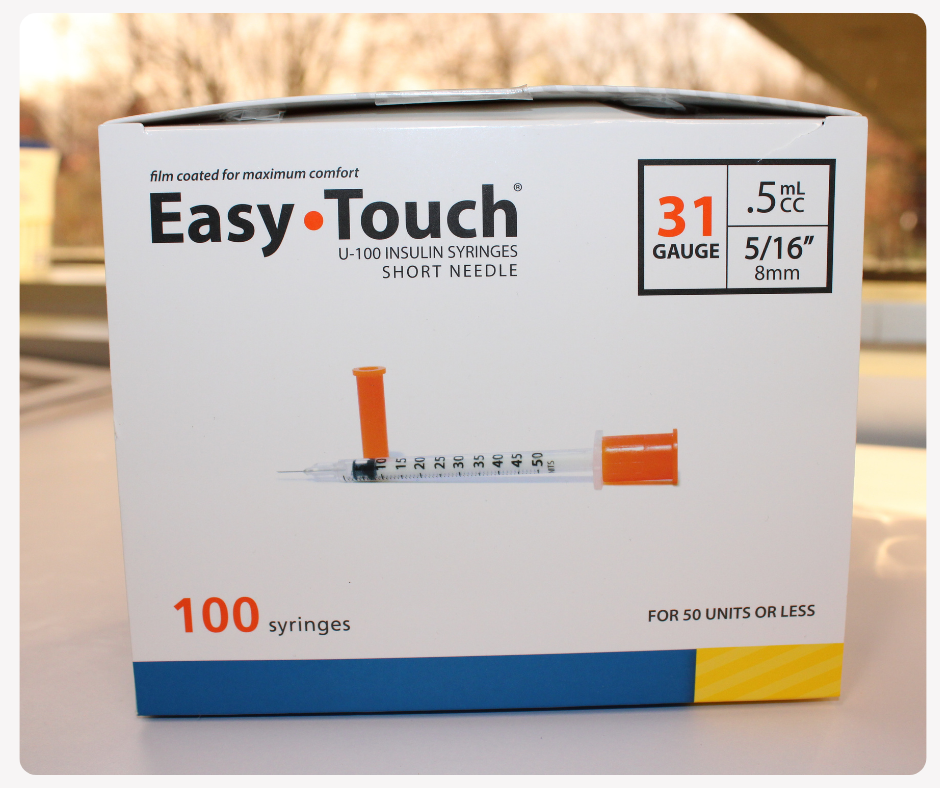
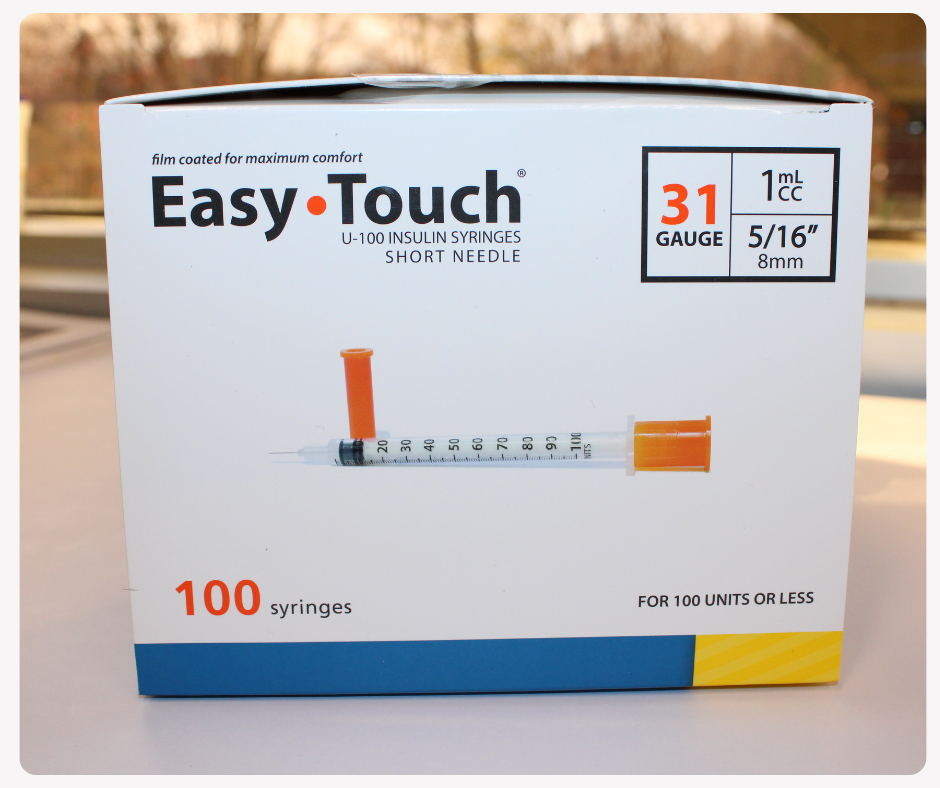

Need needles for gender affirming hormone therapy?
We got them!
When injecting hormones (like Testosterone or Estradiol), both Intramuscular (IM) and Subcutaneous (Sub-Q) injections are safe and effective methods that achieve the desired therapeutic hormone levels. The choice is primarily about comfort and consistency.
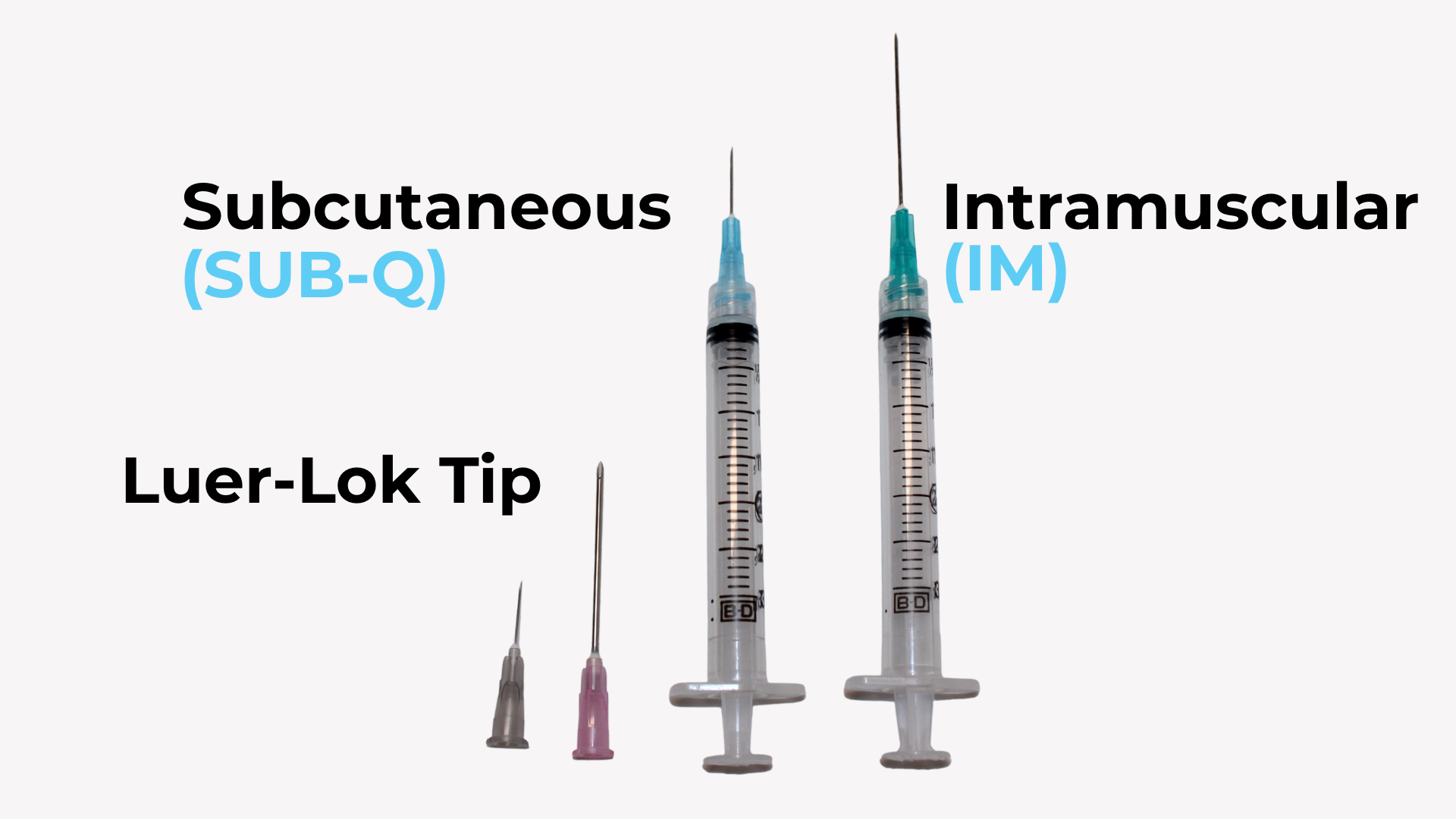
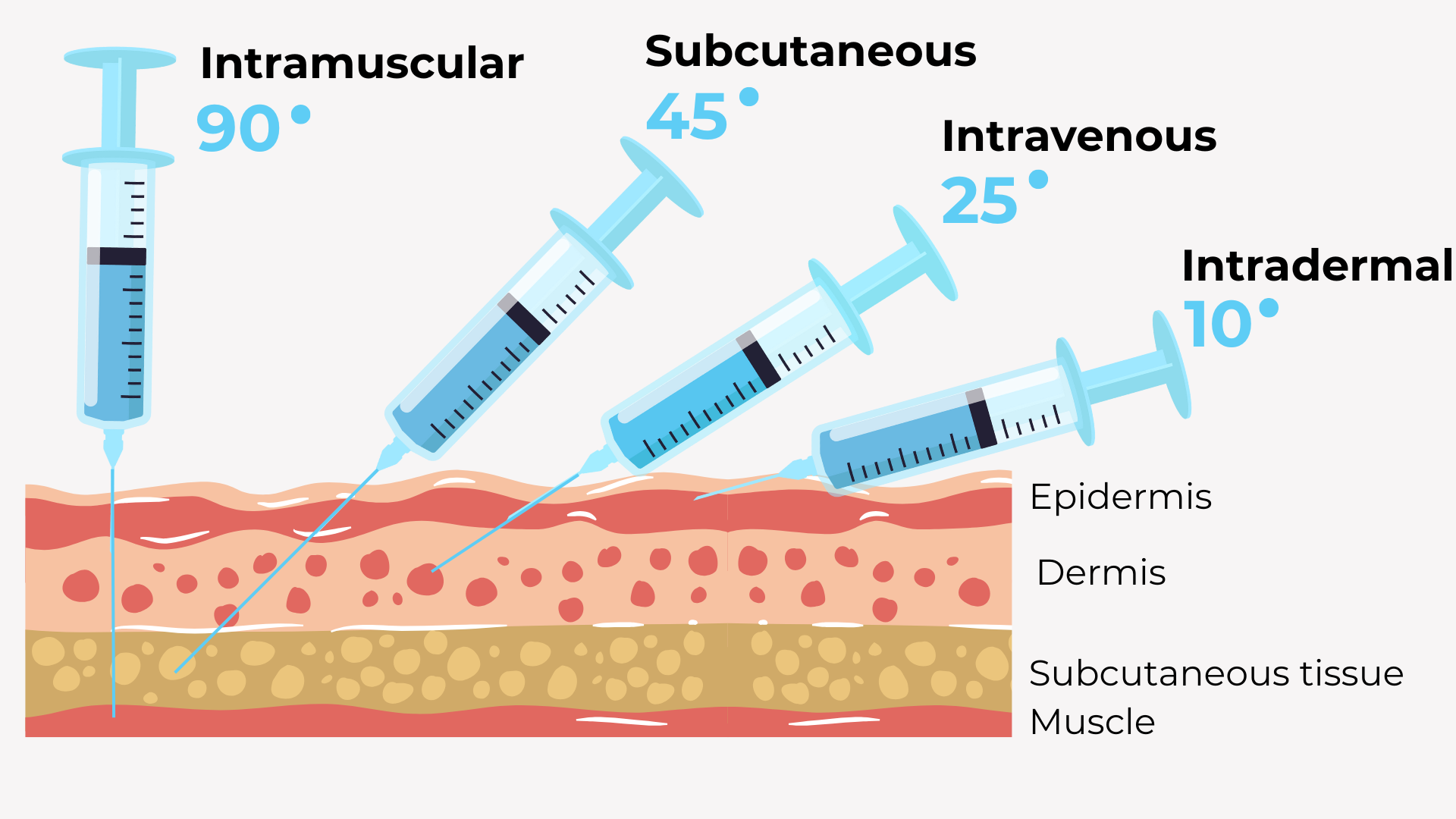
A Sub-Q injection delivers medication into the subcutaneous tissue, the fatty layer beneath the skin. The tissue in the Sub-Q layer has fewer blood vessels than muscle, and medication is absorbed more slowly and gradually over time. It is generally considered less painful and easier for self-administration, offering a slower, more stable release of the hormone over time, which may reduce the peaks and troughs associated with mood fluctuations.
Subcutaneous (Sub-Q/SC) Injection
The abdomen (stomach)
Upper thigh
Outer back of the upper arm
Common sites:
An IM injection delivers medication deep into the muscle. Muscles have many blood vessels, which allow medication to be rapidly absorbed into the bloodstream. It can result in a more rapid absorption (a faster peak in hormone levels) and may be used for less frequent dosing schedules.
Intramuscular (IM) Injection
Deltoid muscle (upper arm)
Vastus Lateralis muscle (outer thigh)
Ventrogluteal muscle (hip/upper buttocks)
Common sites:
Neither method is “better” for transition effects. We provide the needles needed for both options and encourage you to discuss the route that feels most comfortable and manageable with your healthcare provider.